Emergencies do not wait for the safety and security group to finish a meeting, or for a manager to return from lunch. When something goes wrong in a workplace, the initial three minutes established the tone for everything that complies with. That is why emergency wardens, and especially chief wardens, train for clearness under pressure, not just academic expertise. The Australian devices of competency PUAER005 Operate as component of an emergency situation control organisation and PUAER006 Lead an emergency control organisation anchor that ability. With each other, they develop a bridge between a composed plan and actual activity, with interaction, evacuation, and liability at the centre.
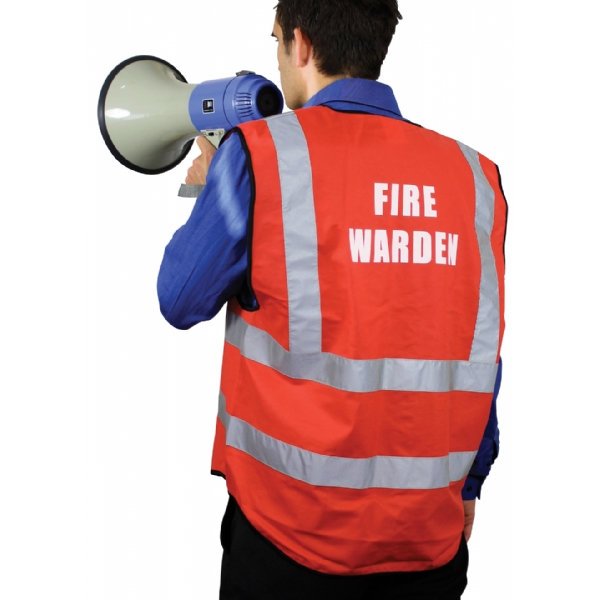
I have actually worked through evacuations that began with burned salute, and others caused by faulty switchboards and a real fire front pressing toward the site. The differences are noticeable in knowledge. The consistent, when it goes well, is a warden team that understands who is doing what, how info flows, and how to count every person out without coming down into guesswork. The following outcomes are the ones that regularly convert training hours into risk-free departures and tidy handovers to firemans and paramedics.

How PUAER005 and PUAER006 fit together
The PUAER005 training course, commonly provided as PUAER005 operate as part of an emergency control organisation, is the structure for fire warden training. It develops the warden's operational muscle memory: increase the alarm, assess, communicate, leave, sweep, report. The device assumes there is a chief warden routing the broader action. In a regular building, these wardens put on recognizable hats or vests, handle specific zones, and adhere to the emergency situation response plan with a bias for action.
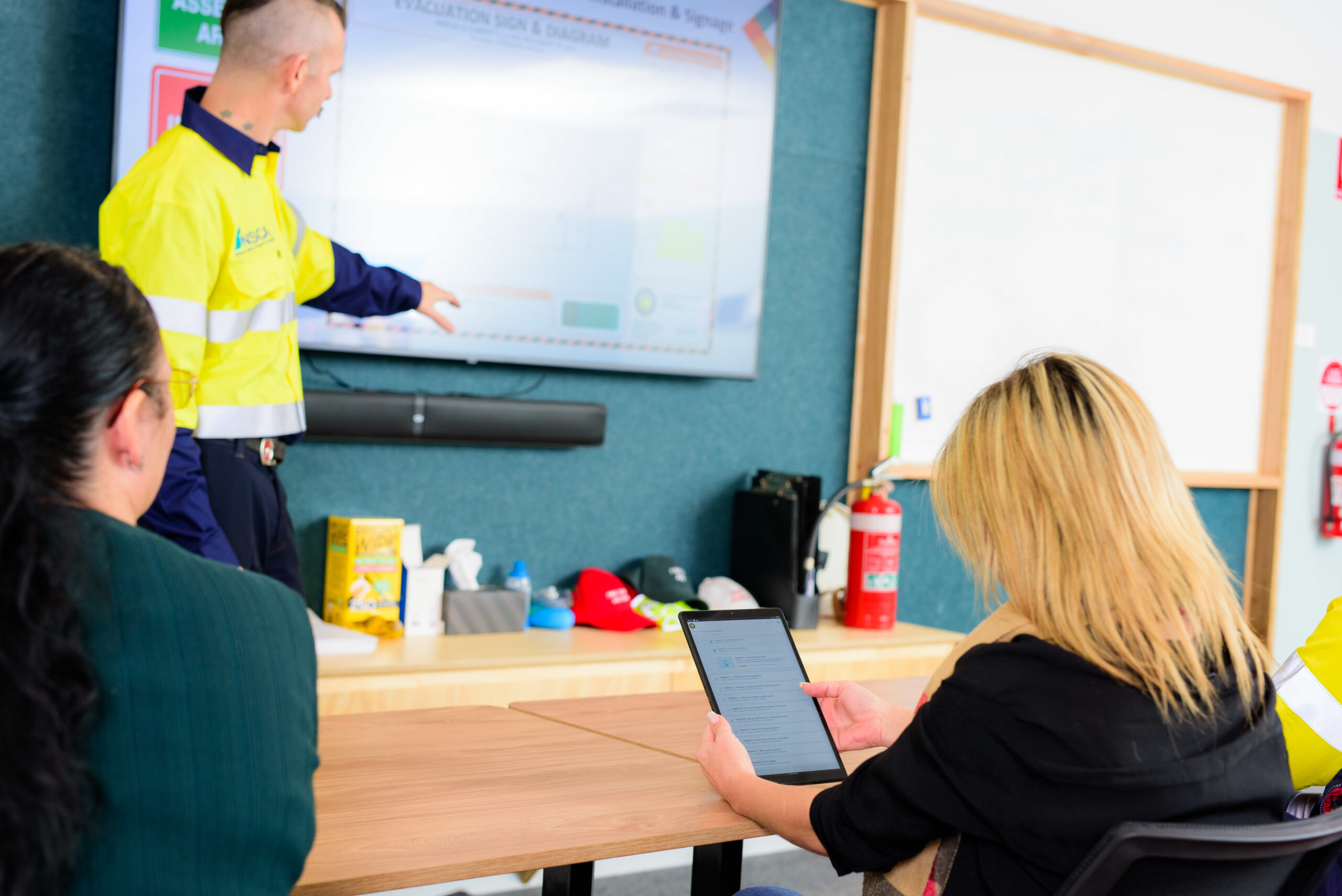
PUAER006, frequently called PUAER006 lead an emergency situation control organisation, takes the step up to management. The chief warden collaborates details from multiple wardens, collaborates with the Emergency Control Organisation (ECO), makes decisions concerning partial or full discharges, and manages the interface with the going to emergency solutions. The program is much less concerning one person's initiative and more concerning structured management, delegation, and decision-making with incomplete information. In method, both devices are often provided together as a warden course and a chief warden course, either on the exact same day or in sequence.
For learners, the difference feels like relocating from playing a placement to calling the play. For organisations, the mix indicates redundancy: if the chief warden is off-site, a trained deputy can tip up without improvising.
Outcomes that matter: useful communication under stress
Communication under stress and anxiety needs both a network and a discipline. PUAER005 drills the fundamentals for wardens: calm voice, short sentences, and constant phrasing. When a warden says, "Degree 2 clear, 2 mobility assists, one missing from area 204," the expression is not informal. It is a structured handover that a chief warden can parse within secs, and it matches the tally board or digital visit use.
The PUAER006 course adds a layer of regulated tempo. Chief wardens find out to establish a rhythm that keeps the ECO synchronized. A normal pattern: collect condition records in a repaired order, repeat bottom lines, verify activities, and designate follow-ups. Because numerous wardens speak at once when alarm systems are blaring, disciplined turn-taking over the radio issues. Training strengthens that the chief warden establishes concern and tempo. You listen to the difference on the day: fewer overlapping transmissions, faster cross-checks, much less ambiguity.
It additionally indicates plain language. Some sites like phrases, which is a responsibility throughout a gas leakage or smoke spread. Training courses show wardens to call hazards wherefore they are. "Smoke in stairwell An as much as level 4" defeats "We have a stratified attack." The objective is not to thrill any individual, it is to get individuals relocating safely.
Evacuation is a choice, not a reflex
Pulling the alarm system and clearing a building has costs. If you leave a low-risk issue in a hospital's critical care unit, you may develop even more danger than you address. If you delay when smoke is spreading out in a high-rise with a pressurised stairwell, you date a various type of risk. PUAER006 concentrates on decision-making requirements and timing, not rule-following for its very own sake.
The best-trained principal wardens use 3 filters. Initially, what is the hazard, and just how is it changing? Second, what are the obstacles and protections on site, from fire doors to reductions systems to shelter-in-place areas? Third, that is vulnerable, consisting of site visitors, professionals, and anyone with movement limitations? The interactions lots complies with those three filters. You will hear the chief warden ask for a partial discharge by compartment, or for an upright hosting pattern that clears degrees above and below the event floor. You will likewise hear them call a stop to lifts, coordinate safety and security to fulfill firemans, and validate stairwell standing prior to purchasing movement.
The PUAER005 course sustains this by training wardens how to run their areas with minimal difficulty. A great flooring warden checks out the space, not simply the strategy. They'll remove out unnecessary instructions and go directly to cues: "Leave belongings. Follow me. Use stairwell B. Stay on the left." When somebody freezes, they do not say, they lead and relocate. The training highlights that wardens are not bouncers, and they are not amateur firefighters. Their task is managed discharge, not heroics.
Accountability is more than a roll call
Most people consider a roll phone call as the headcount at the assembly area. That is one component of accountability, and the least flexible. The hard work begins previously. Prior to an event, the warden group settles on how to track who is on site. For a tiny office, it might be a sign-in sheet. For a distribution center, it could be a site visitor monitoring system, specialist authorizations, and swipe card data. PUAER006 pushes chief wardens to challenge whatever system they inherit. If the information lags the truth of the floor by half an hour, you can not depend on it alone.
During an evacuation, responsibility is not a single activity. It is a chain: area moves, room flags on doors or spoken checks, reports as much as the chief warden, and a put together condition that separates recognized secure, well-known missing out on, and unofficial. The chief warden's log must reveal time stamps, source of details, and unresolved items. In this way, when firemens arrive, the handover is crisp: "We have one validated unaccounted individual, last seen in the northwest laboratory at 10:42, possible shelter-in-place because of chemical threat. Stairwells A and C clear, B endangered by smoke to degree 3."
PUAER005 sustains this with functional sweep methods and the technique to never ever mark a zone clear unless you have actually literally examined it. It additionally establishes assumptions regarding when to stop searching. There is a line between comprehensive and reckless. If warmth, smoke, or structural problems climb past training, wardens back out and report the risk.
Fire warden training requirements and the role of the ECO
Workplaces vary, but the fire warden requirements in the workplace have typical threads. A realistic technique begins with a threat account. A tiny single-storey office with twenty staff and two departures has various demands than a high-rise tenancy depending on base structure systems. Yet both need an experienced Emergency Control Organisation with a chief warden, area wardens, and interactions functions defined. The PUAER005 training course gears up wardens for day-to-day readiness and reaction. The PUAER006 program prepares the chief emergency warden to collaborate those roles under pressure, and to lead workouts that emerge gaps.
Frequency of drills matters. Yearly workouts please minimums, yet twice-yearly drills are even more efficient, specifically when roster churn is high. Turn scenarios: a daytime event, an after-hours event with less wardens, an obstructed stairwell, an impaired lift, a shelter-in-place directive for a chemical event. The difference in between a paper plan and lived capability decides whether individuals wait at the wrong exit while smoke makes it unusable.
For business with change job, specialists, or public patrons, the fire warden training requirements include customized rundowns. Wardens need to know exactly how to move crowds, exactly how to take care of language barriers, and when to utilize visual cues such as arm signals if a PA system falls short. I have seen wardens improvise published cards with the word departure in large typeface, which verified beneficial throughout a loud plant shutdown. Training ought to urge that sensible resourcefulness, within the restrictions of safety protocols.
The inquiry of hat and helmet colours
Visibility matters. In the majority of Australian work environments, wardens wear coloured headgears or hats for quick identification. The colour conventions can vary by site or sector, but a typical system is red for fire wardens and white for the chief warden. Where a concern appears, it frequently seems like, what colour helmet does a chief warden wear? or chief warden hat colour. If your site uses a different system, such as yellow for interactions and green for first aid, see to it people recognize it prior to a drill, not during an emptying. Training must consist of a visual quick and posters in common areas.
People likewise inquire about the chief fire warden hat colour or the fire warden hat colour due to the fact that they think a national requirement. The secret is uniformity within your office. If the chief warden hat changes colour after a purchase button, upgrade signs, the emergency plan, and pierce briefings. The most effective practice is to issue hats to named functions, not simply maintain them in a cabinet. If the person shows up late and the hat does not, you have actually lost the point of the system.
Building proficiency: what an excellent training course in fact looks like
Look carefully at a PUAER005 program that generates certain wardens, and you will certainly locate high repeating of core jobs with clear feedback. Participants practice alarms and announcements, radio usage, door checks, stairwell monitoring, and setting up factor arrangement. They deal with side instances: a locked workplace, an overwhelmed visitor, a mobility-impaired colleague. The trainer runs short, realistic scenarios that require decisions. Not everything goes to plan, which is the point.
A PUAER006 course for chief warden training must be even more scenario-driven. It needs a command post setup, an interactions table, a website strategy, and a log. Students must exercise designating tasks to deputy chief wardens, scheduling a second emptying site if the wind changes, and calling for utilities seclusion. They ought to practice the handover to Fire and Rescue with a two-minute briefing and afterwards respond to inquiries. A few of the very best sessions I have actually seen include a curveball, like a warden who falls short to report, or a false alarm during an actual thunderstorm. The course discovers to separate signal from noise.
Where the courses share ground is in reflective debriefs. After each situation, the trainer ought to lead a structured testimonial: what worked, what lagged, what information arrived late, and what will certainly alter for the next run. Over 3 or 4 rounds, performance visibly tightens. This is what emergency warden training should certainly provide: not self-confidence for its own benefit, but skills you can prove.
The chief warden's duties, and exactly how to bear them
Chief fire warden obligations read like a checklist up until you perform them under pressure. There is strategy, yes, but there is also human management. People duplicate the chief warden's tone. If the chief is discombobulated, wardens hurry or delay. If the principal is constant and clear, wardens match it. The chief warden requirements in a large site consist of succession planning. If the principal is off-site, who actions in? If the replacement shows up 10 minutes late, who begins the preliminary coordination? Construct a depth chart and drill it.
Chief fire warden obligations likewise consist of the peaceful, unglamorous job between occurrences: evaluating and updating the strategy, validating wardens and replacements by name, lining up with building monitoring, checking radios and spare batteries, validating evac representations on walls match the existing design, and arranging training for brand-new hires. This is where PUAER006 shifts from course web content to habit. A solid chief warden deals with the strategy as a living document and the ECO as a team that requires upkeep like any type of other.
Fire wardens are not firemans, and why that matters
Fire warden training sometimes inherits mistaken beliefs from pop culture. Wardens do not lug hose pipes. They are not there to abrogate firemens or to return to a structure as soon as evacuated. They may use a mobile extinguisher for an incipient fire only if educated, the course behind them continues to be clear, and the threat serves. The decision to attempt a tiny extinguishment is not component of every circumstance, and it ought to never delay an emptying. Websites that press "we will place it out" mindsets withhold the alternative to consider risks thoroughly, which is the opposite of what PUAER005 and PUAER006 teach.
A narrative to show the distinction: at a manufacturing website, a machine captured a small oil fire. A warden with current training assessed the fire, the distance to egress, and the extinguisher kind accessible. An additional warden began relocating people. The initial attempt failed due to a wrong extinguisher choice. The principal called instant discharge and closed the line. Fire solutions got here to a clear plant with no injuries. The lesson was not regarding valor, it was about discipline. The follow-up changed extinguisher placement and signs, and the next drill folded up in that learning.
Common risks and just how to blunt them
Communication tools fail. Radios lack charge. The PA system crackles. The person who constantly does the head count hires unwell. Training must name these challenges and practice workarounds. When I examine sites, the same concerns appear.
First, insufficient or stale passenger listings. Address it with multiple information sources, and teach primary wardens to triangulate promptly. Second, assembly factors selected for benefit as opposed to security. If your point is downwind from a packing dock, reconsider it. Third, wardens without authority to get rid of a passage since a supervisor items. The ECO needs formal power in the policy, backed by management. Fourth, mobility-impaired evac plans that rely upon one person that functions only weekdays. Develop redundancy, and test it. Fifth, building alarm systems that appear various throughout occupancies. If a high-rise base structure system overlays a lessee system, wardens require to understand what each signal means.
PUAER005 and PUAER006 do not eliminate these risks by magic. They furnish the group to find them early, log them, and close them.
What the most effective sites do between drills
Competence decays without use. The most effective sites run short refreshers every quarter, even if formal certification cycles are much longer. A twenty-minute radio drill, a quick stairwell examination, or a test of the assembly area lighting prices little and maintains preparedness. Chief wardens schedule cross-training, so wardens switch floorings and discover detours. They line up with safety and centers, so the ECO and building teams share a sight of dangers and assets.
Visual aids assist. Clear maps at the warden terminal, a printed quick-start sheet for the principal with radio channels and numbers, and a whiteboard theme for event logging all save precious seconds. One logistics firm put a weather vane near the assembly area. During a chemical leakage two years later on, that vane informed the story faster than a climate app. Details like that originated from individuals that have walked the website and visualized issues in 3 dimensions.
Choosing a company for warden training
Not all fire warden course carriers are the same. Try to find fitness instructors that ask about your structure design, occupancy patterns, and current events before they start. If a trainer shows up with a one-size deck and ignores your stairwell pressurisation or your split tenancy, you will certainly obtain a common session that looks tidy and leaves real voids untouched.
For PUAER005 and PUAER006 specifically, ask how much time is alloted to useful scenarios. Anything under one third for PUAER005 and under half for PUAER006 is most likely light. Ask about course size. Twelve to fifteen students per trainer is a workable chief warden responsibilities range. Over that, individuals spend even more time waiting than exercising. Validate whether the analysis is observation-based with clear criteria, not just multiple option. Lastly, inquire about post-course documentation: you want a document of expertises, presence, and any kind of site-specific findings that require follow-up.
A short pre-incident checklist that pays off
- Verify ECO roster: names, functions, backups, and contact numbers are current. Test communications: radios charged, networks verified, PA and alarms functional. Walk the egress: stairwells clear, doors self-close, signage exact, lighting operational. Update occupant data: team list, professionals, site visitors, and well-known flexibility needs. Stage the kit: chief warden log, site plan, hi-vis and hats, spare batteries, torch.
Keep this to a solitary page, evaluation it monthly, and tie it to onboarding so brand-new wardens acquire a living system as opposed to a binder.
Where hat colours fulfill human factors
Colour coding assists, however only if individuals look up and recognize what they are seeing. During one drill, numerous staff members ignored a young warden offering appropriate guidelines because he did not look like a senior manager. After responses, the site added a short induction slide: "In an emergency, adhere to wardens. Red hats - wardens. White hat - chief warden. Their direction bypasses business-as-usual." That single sentence, duplicated at team meetings, made a distinction. Symbols function when society enforces them.
The reward: sharper decisions, faster exits, far better handovers
When you put PUAER005 and PUAER006 together with smart technique, three outcomes stand out. Communication becomes crisp, so sound drops and action rises. Evacuation turns into hat for chief wardens a structured choice, not a panic response, which shields both rate and security. Liability becomes a rolling process, from sweep to assembly to handover, rather than an agitated headcount at the end.
The rest of the advantages are subtler. New employees really feel much safer since they see a system that operates. Specialists appreciate the site's expertise. Execs sleep a little much better because a close to miss did not become a catastrophe. This is not abstract. In the last 5 years, I have seen teams halve their discharge times after tightening their ECO and re-training, and I have actually watched firefighters get here to concise, exact rundowns that conserved mins when minutes mattered.
If you lead a website, deal with fire warden training and chief warden training as reoccuring investments. If you function as a warden, own your function the means you would any type of safety-critical task. If you wear the white hat, bear in mind that management in an emergency situation is exactly like leadership on an ordinary day, just louder and faster. Clarity, regard, and follow-through lug you a lengthy way.
Frequently asked, briefly answered
What is the distinction in between a warden course and a chief warden course? The warden course, lined up to PUAER005, focuses on operating jobs within the ECO. The chief warden course, straightened to PUAER006, concentrates on leading the ECO and making evacuation decisions, working with communications, and communicating with emergency services.
What colour safety helmet does a chief warden wear? Several work environments use a white helmet or hat for the chief warden and red for wardens. Constantly follow your site's requirement and make sure everyone understands it.
What are the fire warden requirements in the workplace? You need a formed ECO with called functions, recorded procedures, normal training and drills, easily accessible emptying diagrams, and an approach to make up passengers, including visitors and specialists. The details rely on your structure kind and threat profile.
How frequently should emergency warden training run? Accreditation cycles vary, yet useful refresher courses twice a year and a formal assessment every one to two years keep skills active. Change the scenarios so you do not practice the same evacuation every time.
Do wardens use fire extinguishers? Just if educated, just at incipient stage, and just when discharge is not postponed and a safe egress course exists. The main duty is risk-free discharge and responsibility, not firefighting.
Final thought
An emergency warden course is not a tick-box. It is a rehearsal for a day you really hope never ever shows up. When it does, interaction, discharge, and accountability make a decision results. The PUAER005 course and the PUAER006 training course provide the structure. Your site's practice gives the edge. Put both to function, keep them fresh, and your individuals go home safe.
Take your leadership in workplace safety to the next level with the nationally recognised PUAFER006 Chief Warden Training. Designed for Chief and Deputy Fire Wardens, this face-to-face 3-hour course teaches critical skills: coordinating evacuations, leading a warden team, making decisions under pressure, and liaising with emergency services. Course cost is generally AUD $130 per person for public sessions. Held in multiple locations including Brisbane CBD (Queen Street), North Hobart, Adelaide, and more across Queensland such as Gold Coast, Sunshine Coast, Toowoomba, Cairns, Ipswich, Logan, Chermside, etc.
If you’ve been appointed as a Chief or Deputy Fire Warden at your workplace, the PUAFER006 – Chief Warden Training is designed to give you the confidence and skills to take charge when it matters most. This nationally accredited course goes beyond the basics of emergency response, teaching you how to coordinate evacuations, lead and direct your warden team, make quick decisions under pressure, and effectively communicate with emergency services. Delivered face-to-face in just 3 hours, the training is practical, engaging, and focused on real-world workplace scenarios. You’ll walk away knowing exactly what to do when an emergency unfolds—and you’ll receive your certificate the same day you complete the course. With training available across Australia—including Brisbane CBD (Queen Street), North Hobart, Adelaide, Gold Coast, Sunshine Coast, Toowoomba, Cairns, Ipswich, Logan, Chermside and more—it’s easy to find a location near you. At just $130 per person, this course is an affordable way to make sure your workplace is compliant with safety requirements while also giving you peace of mind that you can step up and lead when it counts.